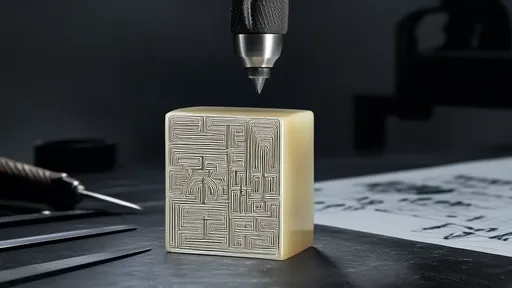
In the intersection of traditional craftsmanship and modern technology, a fascinating innovation is taking shape: computer numerical control (CNC) seal engraving. This emerging field combines the ancient art of Chinese seal carving with algorithmic path planning, opening new possibilities for precision, efficiency, and artistic expression.
The process begins with digital design, where calligraphy or patterns are transformed into vector graphics. Advanced algorithms then analyze the strokes, determining optimal cutting paths that respect the nuances of traditional seal carving techniques. Unlike conventional CNC approaches that prioritize speed, these specialized algorithms mimic the deliberate, varied pressure of a master carver's hand.
Material considerations play a crucial role in this technological evolution. Traditional seal materials like soapstone, jade, and ivory (now largely replaced by sustainable alternatives) each present unique challenges to automated carving systems. Modern CNC seal engravers must account for material hardness, grain direction, and tool wear characteristics when generating their cutting paths.
One particularly innovative aspect involves the simulation of different carving styles. From the bold, angular cuts of the Han dynasty to the delicate precision of Ming and Qing era seals, algorithmic parameters can be adjusted to reproduce historical techniques with remarkable accuracy. This digital preservation of traditional methods offers both practical and cultural benefits.
The technology isn't merely replicating existing styles—it's enabling new forms of artistic expression. Contemporary artists are experimenting with hybrid approaches that combine algorithmic generation with manual finishing, creating works that bridge the digital and physical realms. Some push boundaries further by incorporating parametric designs that would be impossible to execute by hand.
Technical challenges remain in perfecting this fusion of art and engineering. The subtleties of ink absorption in carved grooves, the visual weight of different stroke widths, and the aesthetic balance of negative space all require sophisticated algorithmic treatment. Researchers continue to refine their approaches, drawing insights from both computer science and art history.
Commercial applications are already emerging, with custom seal engraving services offering both traditional designs and personalized creations. Museums and cultural institutions have begun adopting the technology for preservation and reproduction work, allowing delicate historical seals to be studied without handling the originals.
Looking ahead, the field shows promise for educational applications. Students of seal carving can benefit from analyzing algorithmically generated cutting paths, gaining insights into efficient tool movement and stroke sequencing. The technology may serve as both a teaching tool and a means to lower barriers to entry for this specialized art form.
As CNC seal engraving technology matures, questions of authenticity and artistic merit inevitably arise. Purists argue for the irreplaceable value of hand-carved seals, while innovators highlight the precision and creative possibilities offered by digital methods. This tension mirrors broader debates in the art world about technology's role in traditional crafts.
The environmental impact deserves consideration as well. Digital design and CNC production can reduce material waste compared to traditional methods, where a single mistake might ruin an entire piece. At the same time, the energy consumption of automated systems presents its own ecological concerns that manufacturers are working to address.
Perhaps most exciting is the potential for cross-cultural exchange. As the technology develops, it may facilitate new dialogues between Eastern seal carving traditions and Western engraving practices. The algorithmic approach provides a common language for artisans from different backgrounds to share techniques and inspiration.
In workshops and research labs around the world, engineers and artists continue to push the boundaries of what's possible in automated seal engraving. Their work represents more than technical achievement—it's a contemporary reinterpretation of an art form that has endured for millennia, ensuring its relevance in the digital age.
The future of CNC seal engraving will likely see increased integration with other digital fabrication technologies. Imagine combining 3D scanning of ancient seals with algorithmic recreation techniques, or incorporating augmented reality interfaces that allow artists to visualize cuts before they're made. The possibilities are as vast as they are exciting.
What remains unchanged is the fundamental purpose of the seal—to mark identity and authenticate documents. Whether created by hand or algorithm, the seal endures as a powerful symbol in the digital era, its evolution reflecting our ongoing negotiation between tradition and innovation.
By /Jul 9, 2025

By /Jul 9, 2025

By /Jul 9, 2025
By /Jul 8, 2025

By /Jul 8, 2025
By /Jul 8, 2025

By /Jul 8, 2025

By /Jul 8, 2025
By /Jul 8, 2025
By /Jul 8, 2025

By /Jul 8, 2025
By /Jul 8, 2025
By /Jul 8, 2025

By /Jul 8, 2025

By /Jul 8, 2025
By /Jul 8, 2025
By /Jul 8, 2025
By /Jul 8, 2025