The gentle rustle of leaves, the earthy scent of damp soil, and the warmth of sunlight filtering through branches—these sensory experiences are more than just pleasant moments in a garden. For individuals living with Alzheimer’s disease, they can be lifelines to clarity, calm, and even cognitive improvement. Horticultural therapy, an increasingly recognized complementary treatment, is proving that the simple act of digging, planting, or touching soil can have profound effects on those grappling with memory loss and cognitive decline.
Alzheimer’s disease, a progressive neurodegenerative disorder, robs individuals of their memories, independence, and often their connection to the world around them. Traditional treatments focus on slowing cognitive decline, but horticultural therapy offers something different: a bridge to emotional and sensory engagement. The tactile experience of soil, in particular, has emerged as a surprising yet powerful tool. Researchers believe that the physical connection to nature—especially the microbes in soil—may trigger biochemical responses that reduce stress and inflammation, two factors implicated in Alzheimer’s progression.
A Return to the Senses
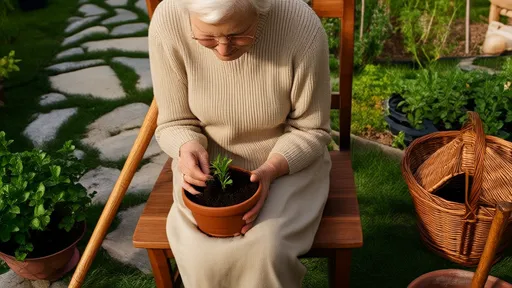
For many Alzheimer’s patients, the world becomes increasingly fragmented. Faces blur, names slip away, and familiar places feel foreign. But the garden remains a space where senses can still be awakened. The texture of soil between fingers, the weight of a watering can, or the vibrant colors of blooming flowers can evoke visceral responses even when words fail. Caregivers report that patients who were previously withdrawn or agitated often exhibit moments of lucidity and joy during gardening activities. These small victories—a smile at the sight of a sprouting seed or the focused attention while repotting a plant—are glimpses of the person beneath the disease.
One theory behind this phenomenon lies in the role of Mycobacterium vaccae, a harmless bacterium commonly found in soil. Studies suggest that exposure to this microbe may stimulate serotonin production in the brain, akin to the effects of antidepressant medications. For Alzheimer’s patients, who frequently experience depression and anxiety alongside cognitive symptoms, this natural “mood boost” can be transformative. Even without scientific explanations, the rhythmic, repetitive motions of gardening—raking, sowing, watering—create a meditative state that soothes restless minds.
Beyond Memory: Emotional and Social Blooms
Horticultural therapy doesn’t just target cognitive function; it nurtures emotional and social well-being. Group gardening sessions foster connections among patients, caregivers, and family members, breaking the isolation that often accompanies Alzheimer’s. In one care facility, residents who participated in a weekly gardening club showed not only improved mood but also fewer instances of wandering or aggression—a common challenge in dementia care. The garden became a shared language, where a pointed finger at a butterfly or a shared laugh over muddy hands replaced the need for complex verbal communication.
The benefits extend to physical health, too. Gardening encourages gentle movement, improving motor skills and coordination. For elderly patients, these activities can mean the difference between muscle atrophy and maintained mobility. Sun exposure during outdoor gardening also boosts vitamin D levels, which are often deficient in older adults and linked to cognitive health. Perhaps most importantly, the sense of purpose derived from nurturing a living thing—watching a plant grow because of one’s care—can reignite feelings of self-worth eroded by the disease.
Implementing Horticultural Therapy
While the concept is simple, effective horticultural therapy requires thoughtful design. Gardens for Alzheimer’s patients should prioritize safety (avoiding toxic plants or slippery surfaces) and accessibility (raised beds for wheelchair users, clearly defined pathways). Sensory elements are key: fragrant herbs like lavender or mint, wind chimes, and textured leaves engage multiple senses simultaneously. Even indoor gardening with potted plants or miniature terrariums can offer benefits when outdoor space is limited.
Therapists recommend tailoring activities to individual abilities. A patient in early stages might enjoy planning a small vegetable plot, while those with advanced Alzheimer’s may respond best to tactile interactions, like crumbling dry leaves or arranging cut flowers. Consistency matters—regular sessions help establish routine, which is comforting for individuals with dementia. Caregivers, too, find respite in these sessions; sharing quiet moments in the garden often strengthens bonds beyond the roles of patient and helper.
The Future of Green Care
As research continues to validate horticultural therapy’s benefits, its integration into standard Alzheimer’s care is growing. Some forward-thinking memory care facilities now feature “wander gardens”—secure outdoor spaces that allow patients to explore freely without risk, reducing the need for physical or chemical restraints. Universities are studying how virtual reality gardens might bring nature’s benefits to bedridden patients. Meanwhile, grassroots movements encourage families to introduce simple gardening activities at home, proving that therapeutic moments can sprout from a single potted plant on a windowsill.
In a world where Alzheimer’s treatments often focus on what’s being lost, horticultural therapy reminds us of what remains: the capacity to feel joy in sunlight, curiosity in a budding flower, and connection through shared creation. It’s a humble yet radical idea—that healing might begin not in a pill bottle, but with hands in the soil, and a heart open to nature’s quiet wisdom.

By /Jul 9, 2025

By /Jul 9, 2025

By /Jul 9, 2025

By /Jul 8, 2025

By /Jul 8, 2025

By /Jul 8, 2025

By /Jul 8, 2025
By /Jul 8, 2025

By /Jul 8, 2025

By /Jul 8, 2025

By /Jul 8, 2025

By /Jul 8, 2025

By /Jul 8, 2025

By /Jul 8, 2025

By /Jul 8, 2025

By /Jul 8, 2025

By /Jul 8, 2025

By /Jul 8, 2025