The fashion industry's carbon footprint has long been overshadowed by more visibly polluting sectors like energy and transportation. Yet behind the glamorous facade of runways and retail stores lies an inconvenient truth: clothing manufacturing accounts for up to 10% of global carbon emissions. One Scandinavian company is rewriting this narrative by harnessing Denmark's abundant wind resources to create what may be the world's first truly climate-positive apparel.
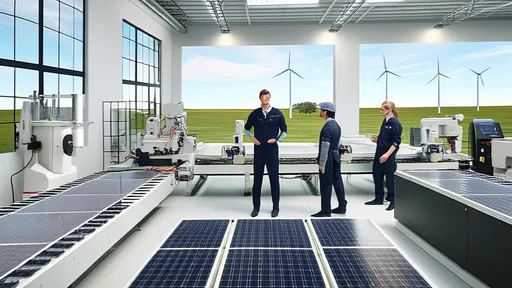
Nordic Windwear, a small but ambitious Danish outerwear brand, has completed an 18-month transition to 100% wind-powered production. Their factory in rural Jutland now operates on electricity generated exclusively by nearby wind turbines, while their organic cotton and recycled polyester fabrics are woven using renewable energy partners across Europe.
"We're proving that decarbonizing fashion isn't some distant future fantasy," says CEO Mikkel Thorsen, standing beneath the sweeping blades of a 4.2 MW turbine that powers his cutting tables. "The technology exists today - we're just connecting dots between Denmark's clean energy surplus and our need for sustainable manufacturing."
The numbers tell a compelling story. Compared to conventional garment factories relying on grid electricity (which in many countries still comes mostly from fossil fuels), Nordic Windwear's operation eliminates approximately 2.3 kg of CO2 emissions per jacket produced. Their entire spring collection of 15,000 pieces will avoid nearly 35 metric tons of carbon dioxide - equivalent to taking 25 cars off the road for a year.
But the company's environmental ambitions extend beyond energy sourcing. Their design team has pioneered a "zero-waste" pattern-making approach that utilizes 98% of fabric rolls, compared to industry averages of 85-90%. Scraps are shredded and reprocessed into insulation for subsequent seasons. Even the zippers and buttons are sourced from recycled materials.
Perhaps most innovatively, Nordic Windwear has implemented a novel "wind credit" system with local turbine operators. During periods when Denmark's wind farms produce surplus electricity (which happens frequently given the country's 50% wind power penetration), the company ramps up energy-intensive processes like fabric dyeing. This not only ensures their operations use 100% renewable energy but helps balance the national grid by absorbing excess clean power that might otherwise go to waste.
Fashion sustainability experts are taking notice. "This goes beyond just buying renewable energy certificates," observes Dr. Helena Bergstrom of the Copenhagen Sustainable Fashion Institute. "They've vertically integrated clean energy into every operational decision while maintaining commercial viability. That's the blueprint other brands need to follow."
The human element remains central to Nordic Windwear's model. Their 85 employees receive training in sustainable manufacturing techniques and share in company profits. Sewing machine technicians have adapted equipment to run more efficiently at variable speeds that align with wind power fluctuations - a unique challenge in an industry accustomed to consistent grid power.
Consumer response has been overwhelmingly positive despite premium pricing (jackets retail for 15-20% above conventional competitors). The company's e-commerce platform shows real-time data on wind conditions at their production facility, allowing customers to see exactly how their garment was manufactured. This radical transparency appears to resonate with climate-conscious shoppers across Northern Europe.
Challenges persist, of course. Scaling this model beyond outerwear to more complex garments like denim or knitwear presents technical hurdles. And while Denmark's windy conditions are ideal, transferring this approach to less breezy regions would require creative solutions. Still, Nordic Windwear is already consulting with manufacturers in Scotland and Canada about adapting their model.
As fashion giants face increasing pressure to reduce emissions, small innovators like this Danish brand demonstrate what's possible when clean energy and textile production converge. With the International Panel on Climate Change warning that the industry must halve emissions by 2030 to meet Paris Agreement targets, such examples of systemic reinvention couldn't come at a more crucial time.
Standing in the shadow of the whirring turbine that powers his factory, Thorsen reflects on the journey: "We're not just making jackets - we're stitching together a new relationship between renewable energy and everyday objects. When people wear our coats, they're wrapping themselves in the promise of a cleaner future." As autumn winds begin to sweep across Scandinavia, that future appears closer than ever.
By /Jul 8, 2025

By /Jul 8, 2025
By /Jul 8, 2025
By /Jul 8, 2025

By /Jul 8, 2025

By /Jul 8, 2025

By /Jul 8, 2025

By /Jul 8, 2025

By /Jul 8, 2025

By /Jul 8, 2025
By /Jul 8, 2025

By /Jul 8, 2025
By /Jul 8, 2025

By /Jul 8, 2025

By /Jul 8, 2025

By /Jul 8, 2025

By /Jul 8, 2025

By /Jul 8, 2025