In a world increasingly focused on sustainability, researchers and eco-conscious designers have turned their attention to an unexpected resource: coffee waste. A recent experiment exploring the potential of Starbucks coffee grounds as a natural dye has yielded fascinating results, opening new possibilities for the textile and fashion industries. This innovative approach not only addresses the massive global issue of food waste but also offers a compelling alternative to synthetic dyes, which often contain harmful chemicals.
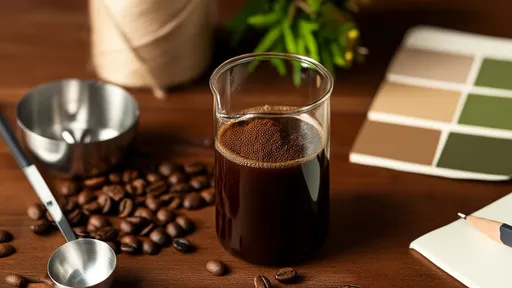
The concept of using coffee as a dye isn’t entirely new—artisans and DIY enthusiasts have experimented with it for years. However, the scale and scientific rigor applied in this recent study, particularly using waste from a major chain like Starbucks, mark a significant step forward. Researchers collected spent coffee grounds from multiple Starbucks locations, processing them into a concentrated dye solution. The results showcased a range of warm, earthy tones, from soft beiges to deep browns, with variations depending on fabric type and dye concentration.
What makes this experiment particularly noteworthy is its potential environmental impact. Starbucks alone generates thousands of tons of used coffee grounds annually, most of which end up in landfills. By repurposing this waste into a viable dye, the project tackles two problems at once: reducing organic waste and providing a cleaner alternative to conventional textile dyes. Synthetic dyes are notorious for their toxic byproducts, which often pollute waterways and harm ecosystems. Coffee-based dyes, on the other hand, are biodegradable and non-toxic, making them an attractive option for sustainable fashion.
The process of creating the dye involves drying and boiling the spent grounds to extract rich pigments. Unlike synthetic dyes, which require heavy metals or petrochemicals for fixation, the coffee dye bonds well with natural fibers like cotton, linen, and silk without additional harmful mordants. This simplicity in production further enhances its appeal as an eco-friendly alternative. Early tests also indicate that coffee-dyed fabrics exhibit moderate colorfastness, retaining their hue through several washes when properly treated.
Fashion designers and textile artists have already begun taking notice. Several small-scale brands have started incorporating coffee-dyed fabrics into their collections, promoting them as part of a "circular economy" where waste is continuously repurposed. The subtle, natural variations in shade achieved through coffee dyeing add a unique, artisanal quality to garments—something that mass-produced synthetic dyes struggle to replicate. This trend aligns with growing consumer demand for sustainable and ethically produced clothing.
Beyond fashion, the implications extend to other industries. Home textiles, packaging materials, and even paper products could benefit from coffee-based dyes. Researchers are also exploring whether other types of food waste, such as avocado pits or onion skins, could be similarly repurposed, creating a broader palette of natural dyes. If adopted widely, this approach could significantly reduce the environmental footprint of multiple manufacturing sectors.
Of course, challenges remain. Scaling up production to meet industrial demands while maintaining consistency in color and quality will require further innovation. There’s also the question of whether consumers will embrace the idea of wearing coffee-stained clothing, despite its eco-friendly merits. However, as sustainability becomes a non-negotiable priority for many, the appeal of waste-based solutions like this one is likely to grow.
The Starbucks coffee dye experiment exemplifies how creative thinking can transform waste into valuable resources. It’s a reminder that sustainability isn’t just about cutting back—it’s about reimagining the lifecycle of everyday materials. With continued research and collaboration between scientists, brands, and consumers, coffee grounds may soon find a second life far beyond the compost bin.

By /Jul 8, 2025

By /Jul 8, 2025

By /Jul 8, 2025
By /Jul 8, 2025

By /Jul 8, 2025

By /Jul 8, 2025
By /Jul 8, 2025

By /Jul 8, 2025

By /Jul 8, 2025
By /Jul 8, 2025
By /Jul 8, 2025
By /Jul 8, 2025

By /Jul 8, 2025
By /Jul 8, 2025

By /Jul 8, 2025

By /Jul 8, 2025
By /Jul 8, 2025

By /Jul 8, 2025