In a world where individuality is celebrated, the prosthetics industry is undergoing a revolutionary transformation. No longer confined to mere functionality, artificial limbs are becoming canvases for self-expression. The emergence of customizable prosthetic shells has opened up a new frontier where wearers can showcase their personality, mood, or even make bold fashion statements. This shift represents more than just aesthetic innovation—it's a cultural movement challenging societal perceptions of disability and beauty.
The traditional approach to prosthetics focused primarily on replicating the appearance of natural limbs. However, this often left users feeling like they were wearing someone else's idea of what their body should look like. Today's generation of amputees is rejecting this one-size-fits-all mentality, demanding options that reflect their unique identities. Companies like Alleles Design Studio and UNYQ have responded by creating interchangeable covers that transform medical devices into wearable art.
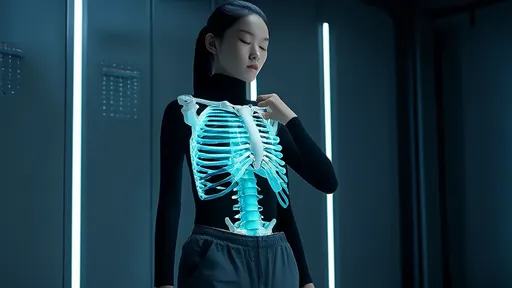
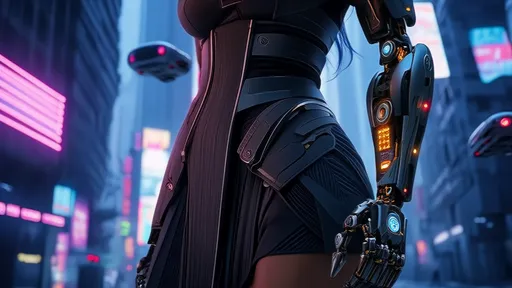
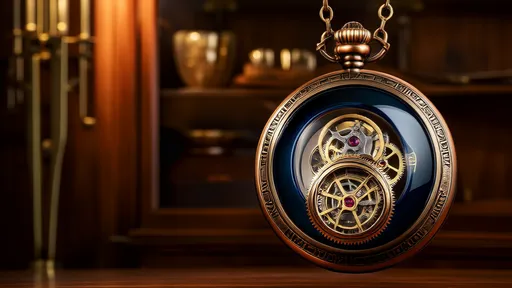
What makes these designs remarkable isn't just their visual appeal, but the technology behind them. Advanced 3D printing allows for intricate patterns and textures impossible to achieve with traditional manufacturing. Some shells feature geometric cutouts that reveal glimpses of the underlying mechanics, celebrating rather than hiding the prosthetic's artificial nature. Others incorporate LED lighting systems that change color at the wearer's command, turning limbs into dynamic light installations.
The psychological impact of this trend cannot be overstated. For many users, selecting or designing a prosthetic cover becomes an empowering ritual—a reclaiming of agency over their bodies. Teenagers especially have embraced the opportunity to coordinate their limbs with outfits or express subcultural affiliations. Social media platforms overflow with images of users showing off their latest designs, creating communities around what was once a source of stigma.
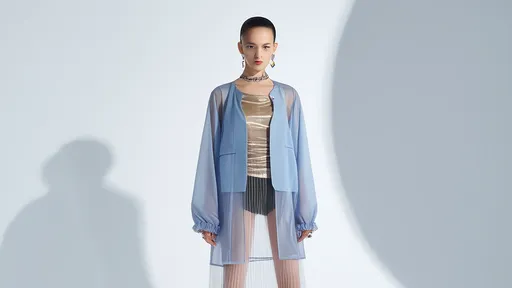
Fashion houses are taking notice. Collaborations between medical device companies and high-end designers are becoming increasingly common. Runways that once excluded models with disabilities now feature prosthetics as intentional fashion accessories. This crossover has helped normalize visible differences while pushing the boundaries of what constitutes wearable design. The message is clear: disability and style are not mutually exclusive.
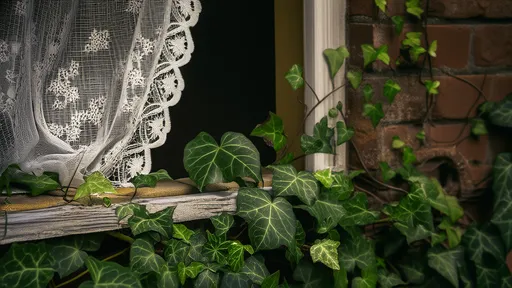
Beyond aesthetics, the materials science behind these covers represents significant innovation. Researchers are developing shells that change texture in response to temperature or touch. Some experimental designs incorporate plant life, creating living covers that grow moss or small flowers. Others use sustainable materials like algae-based bioplastics, appealing to environmentally conscious wearers. The fusion of biotechnology and fashion points toward a future where prosthetics might evolve along with their users.
The customization trend also reflects broader shifts in healthcare toward patient-centered design. Clinicians report that when patients participate in creating their prosthetic appearance, they're more likely to wear their devices consistently. This engagement improves both physical outcomes and mental wellbeing. Some rehabilitation centers now offer design workshops where new amputees can visualize their prosthetics as extensions of their personality rather than medical compromises.
Critics argue that focusing on aesthetics might trivialize the serious functional needs of prosthetic users. However, manufacturers insist that style and substance aren't competing priorities. Many customizable systems maintain or even enhance functionality—modular designs allow users to switch between specialized attachments for sports or daily activities while keeping their preferred aesthetic shell. The technology continues advancing toward seamless integration of form and function.
As the movement grows, it's challenging conventional notions of ability and beauty. Advertising campaigns featuring models with artistic prosthetics are reshaping public perceptions. Young amputees now have role models who demonstrate that difference can be celebrated. The very language around prosthetics is evolving—terms like "augmentation" and "enhancement" are replacing words that imply lack or limitation.
The economic implications are equally fascinating. What began as niche customization has spawned an entire ecosystem. Independent artists sell limited-edition designs through online marketplaces. Some users commission bespoke pieces from sculptors or graphic designers. Museums have begun collecting particularly innovative examples as works of art. This commercialization, while controversial to some, has undeniably accelerated innovation and accessibility.
Looking ahead, the convergence of prosthetics and fashion shows no signs of slowing. Emerging technologies like color-changing nanomaterials and interactive surfaces promise even more dramatic possibilities. The next generation of wearables might include prosthetics that display digital artwork or respond to environmental stimuli. As boundaries between medical devices and personal expression continue blurring, one thing becomes clear: the future of prosthetics isn't about disguising difference—it's about designing it.
This revolution extends beyond the amputee community. The principles developed through prosthetic customization are influencing mainstream fashion and product design. Clothing with adaptive features, shoes with interchangeable components, and jewelry that accommodates physical differences all bear the marks of this movement's philosophy. In challenging how society views disability, the prosthetics fashion trend may ultimately change how we all think about the relationship between our bodies and our identities.
By /Jul 8, 2025

By /Jul 8, 2025
By /Jul 8, 2025
By /Jul 8, 2025
By /Jul 8, 2025
By /Jul 8, 2025
By /Jul 8, 2025
By /Jul 8, 2025
By /Jul 8, 2025

By /Jul 8, 2025
By /Jul 8, 2025
By /Jul 8, 2025
By /Jul 8, 2025
By /Jul 8, 2025

By /Jul 8, 2025
By /Jul 8, 2025
By /Jul 8, 2025
By /Jul 8, 2025