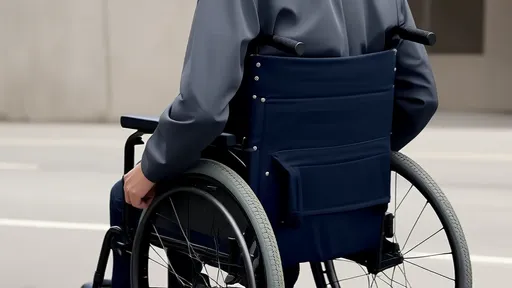
For wheelchair users, finding clothing that combines both style and functionality can often be a challenge. Traditional garments are typically designed for those who spend most of their time standing or walking, leaving wheelchair users to deal with discomfort, awkward fits, and frequent adjustments. One innovative solution that has emerged in adaptive fashion is the extended back hem design, specifically tailored to prevent riding up and bunching—a common frustration for those who spend long hours seated.
The extended back hem is more than just a minor alteration; it represents a thoughtful approach to inclusive design. Unlike standard shirts or jackets that may hike up at the back when seated, this feature ensures the garment remains in place, providing both comfort and a polished appearance. The added length in the back compensates for the natural shift in fabric that occurs when sitting, eliminating the need for constant readjustment. This subtle yet impactful modification bridges the gap between fashion and practicality, allowing wheelchair users to feel confident in their attire without sacrificing ease of movement.
Beyond functionality, the extended back hem also addresses a psychological aspect of clothing. For many wheelchair users, ill-fitting garments can serve as a constant reminder of their physical limitations. When clothing is tailored to their needs, it fosters a sense of dignity and independence. Designers who incorporate this feature often pair it with other adaptive elements, such as magnetic closures or stretch fabrics, to create a seamless experience. The result is apparel that doesn’t just accommodate—it empowers.
The rise of adaptive fashion has brought with it a growing awareness of the diverse needs of disabled individuals. Brands that prioritize inclusivity are recognizing that small design tweaks, like the extended back hem, can make a world of difference. These innovations challenge the conventional one-size-fits-all mentality, proving that clothing can be both stylish and accessible. As the industry evolves, the hope is that such features will become standard, reducing the need for specialized labels and making adaptive design mainstream.
For wheelchair users, the extended back hem is more than a convenience—it’s a statement. It signals that their needs are being seen and valued in spaces where they’ve historically been overlooked. Whether it’s a tailored blazer for a professional setting or a casual t-shirt for everyday wear, this design detail ensures that clothing works with the body, not against it. In a world that often prioritizes aesthetics over accessibility, these innovations are a step toward true inclusivity.
As consumers become more vocal about the importance of adaptive clothing, the demand for thoughtful designs like the extended back hem continues to grow. It’s a reminder that fashion should be for everyone, regardless of mobility. By embracing these changes, the industry not only expands its market but also sends a powerful message: that disability and style are not mutually exclusive. The extended back hem is just one example of how creativity and empathy can come together to create clothing that truly serves all.

By /Jul 8, 2025

By /Jul 8, 2025
By /Jul 8, 2025
By /Jul 8, 2025
By /Jul 8, 2025
By /Jul 8, 2025
By /Jul 8, 2025
By /Jul 8, 2025
By /Jul 8, 2025

By /Jul 8, 2025
By /Jul 8, 2025

By /Jul 8, 2025

By /Jul 8, 2025

By /Jul 8, 2025

By /Jul 8, 2025
By /Jul 8, 2025
By /Jul 8, 2025
By /Jul 8, 2025